

Bitcoin is a Revolution
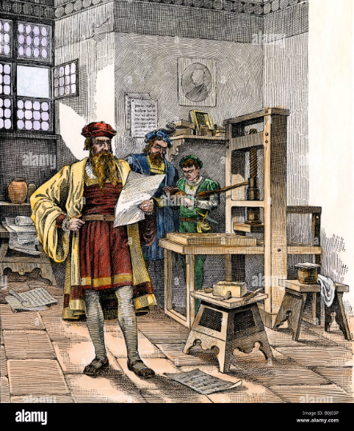
Bitcoin is a groundbreaking innovation, comparable to Gutenberg's printing press in its transformative impact on the world.
It’s limited in supply, decentralized, and runs on thousands of computers globally, making it non-confiscatable and permissionless. By separating money from the state, Bitcoin prevents the erosion of wealth through debt-driven inflation, reduces the funding of wars, and promotes prosperity through productivity gains.
However, money alone doesn’t bring happiness.
Beings are Longing for Happiness
People around the world yearn for true happiness, especially in a materialistic society where wealth often overshadows well-being. Mahakala supports monasteries and schools to raise awareness of what truly creates happiness: wisdom and method, as taught through the Buddha-Dharma. Our initiatives empower spiritual seekers, students, and communities to find lasting joy beyond material gains.

We bridge the Gap from Bitcoin to Happiness
The scarcity of Bitcoin drives its value growth. While Michael Saylor from MicroStrategy leverages this growth through preferred access to capital markets—using financial instruments like convertible notes and equity offerings to accumulate more Bitcoin—Mahakala leverages its funds to create happiness through its projects.
By using Bitcoin as collateral, we provide grants and loans to monasteries and schools, enabling them to offer transformative education.

How It Works:
1. Bitcoin’s Value Growth
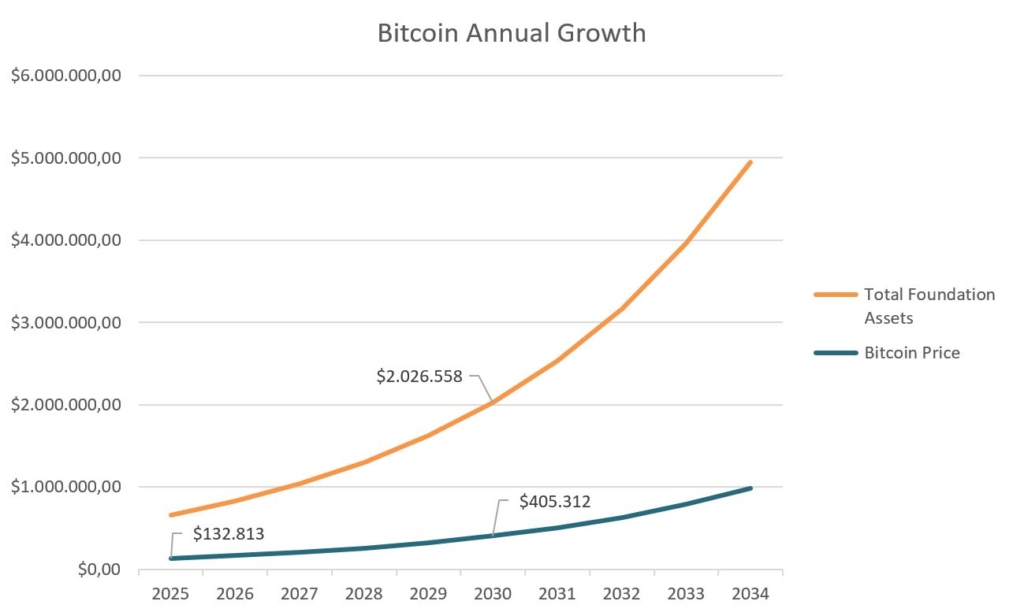
Due to its scarcity, our Bitcoin holdings are expected to continuously increase in value over the coming years. According to Ark Invest, Bitcoin could reach 1.5 million USD by 2030, implying an average annual growth rate of approximately 80.2%. Michael Saylor estimates a price of 13 million USD by 2045, suggesting an average annual growth rate of about 29.5%. However, we conservatively project an average annual growth of 25%, accounting for Bitcoin’s historical cycles of price declines.
2. Using Bitcoin as Collateral:
Our Bitcoin is deposited as collateral with reputable lending providers, allowing us to secure a loan in return.
Example: The maximum possible loan in 2030 would be in our example USD 1.458.182.
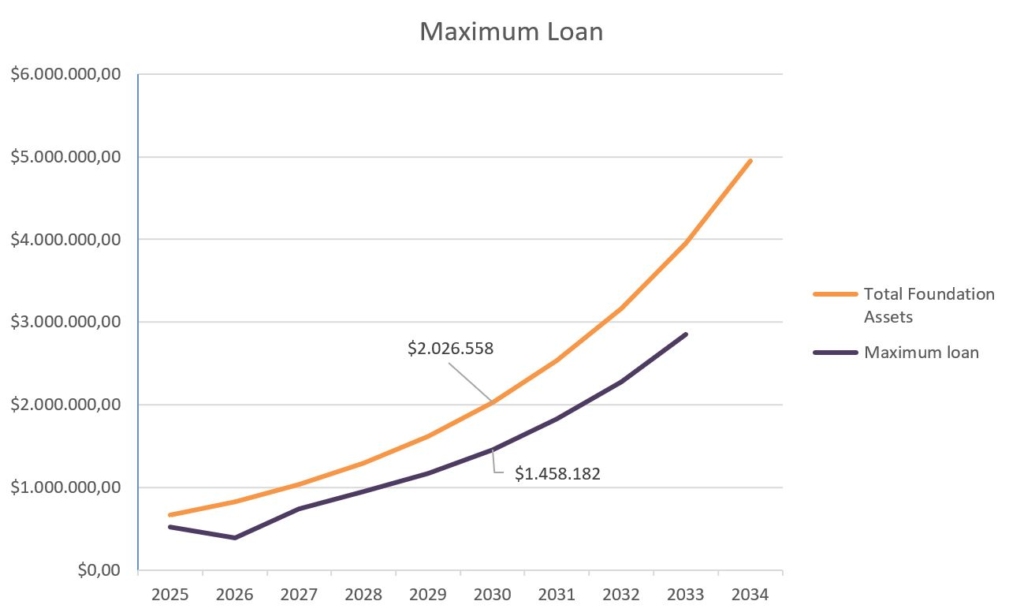
Instead, to mitigate short-term and cyclical price fluctuations, we maintain a low Loan-to-Value (LTV) ratio of approximately 40%.
Example: Based on the former case we would be able to distribute in 2030 a funding of USD 152.235 while keepin a decent security reserve to protect the foundation itself.
