




What Our World is Challenged By.
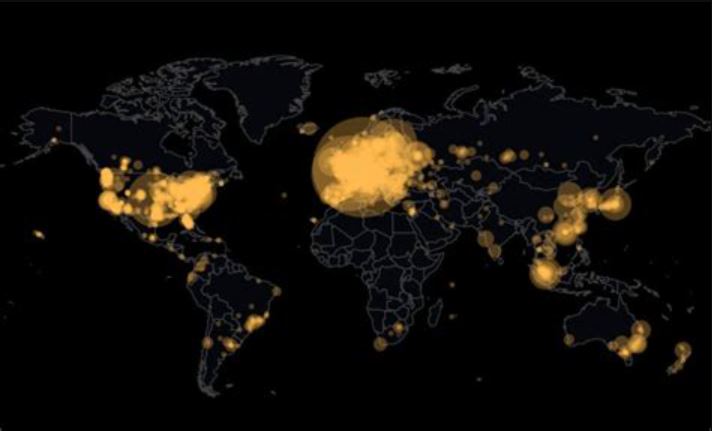
Humanity faces immense challenges in the coming decades: A growing population demands better living conditions, consumption, nutrition, and, consequently, energy.Yet, escalating resource depletion, aging societies, biodiversity loss, vast wealth disparities, and—above all—the displacement of human labor by Artificial Intelligence (AI) are setting the stage for violent conflicts.

Why Conventional Approaches Fall Short.
Traditional material-driven approaches are faltering in today’s world: Concepts like "sustainable economics," debt-fueled growth, or democratization fall short, exploited as instruments of dominance by globally connected elites, deepening inequality and unrest.
The issue lies not in a lack of objects like technology or wealth, but in the subjective mind’s deluded perception of them, which creates suffering.

Who recognized the solution 2500 years ago.
Already in 597 BC, a former prince named Siddhartha Gautama revealed the secret to prosperity and happiness:
"We are what we think. All that we are arises from our thoughts. With our thoughts, we shape the world."
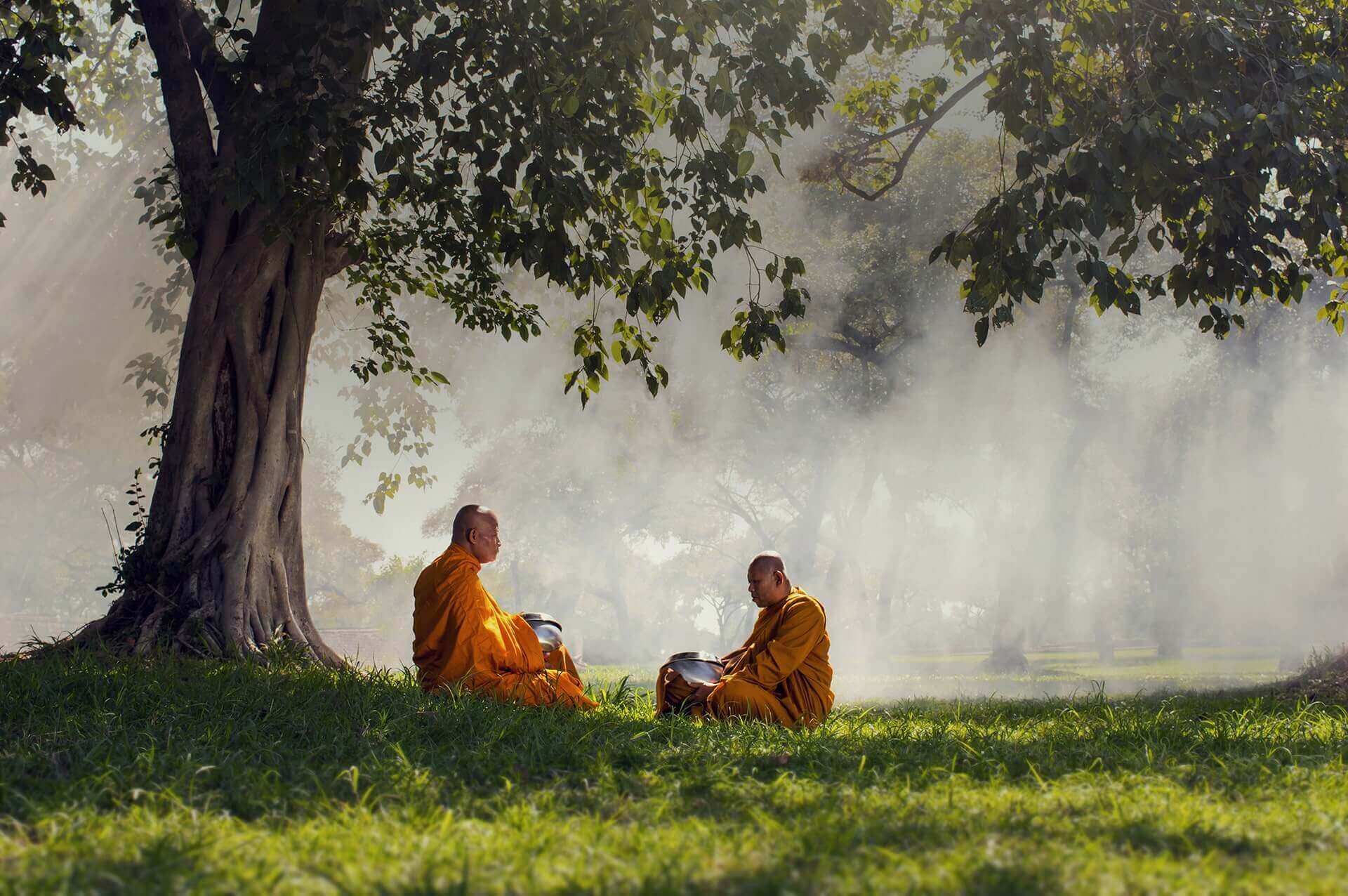
This teaching, known as the Buddha-Dharma, has since been preserved like a jewel by thousands of monks across generations in scriptures and spoken wisdom.

What our Mission is.
Western thinkers like Carl Gustav Jung, Francisco J. Varela, and Jon Kabat-Zinn have validated the accuracy, universality and importance of Buddha-Dharma. Yet, between 1950 and 1976, Chinese forces destroyed over 6,000 Tibetan monasteries, temples and shrines, erasing priceless scriptures and killing an estimated 1.2 million Tibetans.
If this teaching holds the key to peace, wisdom, and happiness, shouldn’t it be safeguarded and shared?
This is precisely why the Mahakala Foundation was established.
